
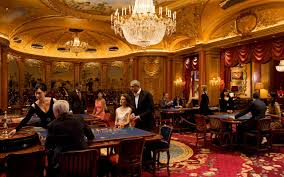
A casino has official rules covering games, entry requirements, payments, and customer conduct. Alongside these written policies, however, there are informal expectations that influence how people interact and how smoothly a visit unfolds.
These unwritten rules are not universal laws. They are everyday habits that help visitors respect other guests, understand the environment, and avoid creating unnecessary confusion. Some relate to table games, while others involve personal space, communication, and the way people respond to winning or losing.
Knowing these expectations can be particularly helpful for first-time visitors. It allows them to feel more comfortable without assuming that every casino operates in exactly the same way.
Give Yourself Time to Understand the Environment
One of the simplest unwritten rules is to observe before participating. Casino floors can be busy, and different areas may have different procedures, limits, and expectations.
A visitor who takes a moment to read signs and watch how a game operates is less likely to interrupt a round or misunderstand an instruction.
Observation should not become intrusive. Standing close to players, looking over their shoulders, or recording their activity can make others uncomfortable. Choose a suitable viewing position and ask staff for help if the layout is confusing.
Taking time to understand the surroundings also makes it easier to identify non-gaming facilities, such as restaurants, customer service desks, and accessible exits.
Respect the Dealer and Other Players
Dealers and gaming staff are responsible for following procedures, explaining permitted actions, and keeping games organized. Respectful communication makes their work easier and helps prevent misunderstandings.
If a visitor does not understand a decision, asking a clear question is usually more productive than arguing. Staff may be able to explain the rule or refer the issue to a supervisor.
The same principle applies to other players. People may have different levels of experience, and not everyone wants to discuss their decisions. Avoid criticizing someone for an ordinary mistake or telling another person how much they should bet.
A casino is a shared environment. Courtesy matters even when the atmosphere is energetic or competitive.
Avoid Interrupting a Game in Progress
Table games follow procedures that determine when players can join, place bets, or make decisions. Interrupting a round may create confusion for the dealer and other participants.
Before joining a table, check the game in progress and ask whether there is an appropriate time to take a seat. Some games have specific rules for entering or leaving, so staff guidance is useful.
Visitors should also avoid asking lengthy questions while other players are making time-sensitive decisions. If a detailed explanation is needed, a quieter moment or an introductory gaming area may be more suitable.
These habits do not require advanced knowledge. They simply show consideration for everyone sharing the table.
Keep Chips, Cards, and Equipment Within the Rules
Casinos use established procedures for handling gaming equipment. Rules about touching cards, moving chips, placing bets, or operating machines differ by game.
A new visitor should not assume that a procedure seen in a film or at another casino applies everywhere. Some card games permit players to handle cards in particular ways, while others require cards to remain on the table.
The same caution applies to betting chips. Do not move, remove, or change a bet after the permitted betting period has ended.
When unsure, ask the dealer before acting. Following the correct procedure protects both the player and the integrity of the game.
Keep Conversations and Reactions Considerate
Casinos can be lively, but loud conversations and exaggerated reactions may disturb nearby guests. A person who wins may feel excited, while someone who loses may feel disappointed. Both reactions are understandable, but other people should not be expected to manage them.
Avoid shouting at staff, blaming strangers, or celebrating in a way that targets another player. If frustration begins to affect behavior, stepping away for a break is often the better choice.
Visitors should also respect differences in communication styles. Some guests enjoy friendly conversation, while others prefer to concentrate quietly. A polite greeting is generally enough to establish whether someone wants to talk. Check this out.
Good etiquette means allowing other people to enjoy their own experience without unnecessary interference.
Do Not Assume Everyone Follows the Same Strategy
Casino games attract people with different levels of knowledge and different approaches to entertainment. Some players study game rules carefully, while others participate casually.
Offering unsolicited advice can make the experience uncomfortable, especially when a person is already deciding what to do. Advice may also be inaccurate if it ignores the specific rules or circumstances of the game.
If another player asks a question, answer honestly within your knowledge. If you are uncertain, say so rather than presenting a guess as a fact.
It is particularly important not to claim that a certain betting pattern guarantees a win. Random outcomes cannot be reliably predicted by watching a short sequence of previous results.
Understand That Staff Instructions Matter
Informal customs never override official rules. If a sign prohibits photography, for example, it does not become acceptable because other guests appear to be taking pictures. Likewise, a common local habit cannot justify ignoring identification requirements or betting procedures.
Staff instructions may relate to safety, security, privacy, or regulatory obligations. If something seems unclear, ask for clarification calmly.
Visitors should also understand that a casino may reserve the right to refuse entry or ask guests to leave under applicable laws and policies. Respectful conduct helps avoid unnecessary disputes.
Keep Money and Personal Boundaries Private
Casino environments involve financial transactions, but visitors do not need to discuss their budgets, winnings, or losses with strangers. Sharing personal financial details can create privacy and security concerns.
Avoid asking other guests how much money they have or pressuring them to lend funds. Do not accept financial offers from unfamiliar people without understanding the circumstances.
A practical approach is to keep payment cards and identification secure, protect transaction information, and avoid displaying large amounts of cash unnecessarily.
Personal boundaries matter beyond money. Do not touch another guest, handle their belongings, or assume that a friendly interaction gives permission for further contact.
Responsible Behavior Is More Important Than Etiquette
Following social customs cannot remove the financial risks of gambling. Visitors should decide in advance how much they can afford to spend and treat that amount as the cost of entertainment.
Do not continue playing to recover losses, borrow money for additional bets, or let social pressure determine spending. Taking a break or leaving is always an acceptable choice.
People who find it difficult to stop may benefit from stepping away from the gaming environment and seeking confidential support where available.
Respectful behavior includes taking responsibility for one’s own decisions and recognizing when participation is no longer enjoyable.
Conclusion
The unwritten rules of casino culture are largely about consideration, patience, and awareness. Observing before joining a game, respecting staff, avoiding distractions, following equipment procedures, and maintaining personal boundaries can make a visit more comfortable for everyone.
These informal expectations differ between venues, and official policies always take priority. Visitors do not need to know every custom in advance. A willingness to ask questions, accept guidance, and behave respectfully is often the most useful starting point.
Frequently Asked Questions
1. What is the most important unwritten rule at a casino?
Respect other guests and staff while following the official rules. Patience, clear communication, and awareness of your surroundings help prevent many common misunderstandings.
2. Is it acceptable to give another player advice?
It is generally better to avoid unsolicited advice. If someone asks for help, respond honestly and avoid claiming that any strategy guarantees a winning outcome.
3. Can visitors watch a table game without participating?
Many venues allow people to observe from appropriate areas, but restrictions can apply. Follow signs and avoid obstructing players or recording their activity.
4. What should a visitor do after making a mistake at a table?
Remain calm, explain the situation, and follow the dealer’s or supervisor’s instructions. Do not attempt to correct a bet or move equipment without permission.
5. Are unwritten casino rules the same everywhere?
No. Informal customs vary between destinations and venues. Official game rules, local laws, and property policies should always take priority.
