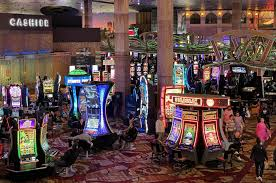

Some casino visitors carry a particular object, wear a favorite outfit, choose a familiar seat, or follow a personal routine before playing a game. These habits may seem unusual to outsiders, but they reflect a common human tendency: looking for ways to feel prepared when facing uncertainty.
Lucky rituals have been part of gambling culture for generations. They can range from simple personal habits to elaborate beliefs about numbers, colors, gestures, or particular moments. For some people, the rituals are playful traditions. For others, they become closely connected to expectations about winning and losing.
Understanding why these beliefs develop requires looking at psychology, social influence, and the way people respond to random outcomes. It is equally important to distinguish between a ritual that provides personal comfort and a belief that a ritual can change the odds of a game.
The Desire to Feel in Control
People generally prefer situations in which their actions produce predictable results. Gambling, however, involves uncertainty. A person can follow every rule correctly and still lose, while an unexpected outcome may produce a win.
This lack of control can encourage people to develop routines that make an uncertain activity feel more manageable. Someone might always sit in the same place, arrange chips in a particular way, or carry a familiar object.
Psychologists sometimes describe this tendency as an illusion of control. It occurs when people believe their actions influence outcomes that are largely or entirely determined by chance.
A ritual may help someone feel calmer, but that feeling does not demonstrate that the ritual affects the result. In games based on independent random outcomes, a lucky object or repeated gesture does not make a win more likely.
How Personal Experiences Create Lucky Habits
Lucky rituals often begin with a memorable experience. A visitor might wear a particular shirt during a winning session or sit in a certain seat when an unexpected result occurs.
The event creates an association between the object or behavior and the outcome. If the person later repeats the routine and experiences another win, the connection may feel stronger.
The problem is that losses may receive less attention. A person may remember the occasions when the ritual coincided with a favorable result while overlooking all the times it made no difference.
This is an example of selective memory. People do not remember every experience with equal clarity, especially when an event involves excitement or strong emotions.
A useful question is whether the ritual would still seem meaningful if every outcome were recorded, including the unsuccessful sessions. Keeping an objective record can reveal how much of the apparent pattern comes from memory rather than evidence.
Pattern Recognition and Random Outcomes
Human brains are naturally good at noticing patterns. This ability helps people learn language, recognize familiar faces, and understand changes in their surroundings.
However, pattern recognition can also lead people to see meaningful connections in random events. A player may notice the same number appearing several times and begin to believe that the sequence carries a message.
Random processes can produce clusters, repetitions, and unusual-looking sequences without requiring a hidden explanation. The presence of a pattern in past results does not automatically mean it can predict what happens next.
The details depend on the game. In a game with independent random rounds, previous outcomes do not make a particular result due. In other games, the probabilities may depend on the current state, remaining cards, or other relevant conditions. Even then, a lucky ritual does not alter the underlying rules.
Understanding the difference between a genuine probability change and an apparent pattern helps people make more informed decisions.
The Role of Family, Friends, and Casino Stories
Lucky rituals are not always created individually. They can be passed between family members, friends, and communities.
Someone may learn to avoid a particular number because relatives consider it unlucky. Another person might adopt a routine after hearing a story about a friend who experienced a memorable win.
Casinos and gambling communities also have long histories of stories about lucky objects, unusual coincidences, and extraordinary outcomes. These accounts are often more memorable than ordinary sessions in which nothing remarkable happens.
Social traditions can make rituals enjoyable. Friends may share a joke about a lucky charm or follow a routine as part of a group outing. Feel free to call the website!
However, a personal tradition should not be confused with reliable evidence. A story about one person’s experience cannot establish that the same behavior will improve another person’s chances.
Lucky Numbers, Colors, and Objects
Different people attach meaning to different symbols. A number may be considered fortunate because of its cultural associations, while a color or object may remind someone of a positive personal experience.
Common examples include:
- Lucky clothing: Wearing an outfit associated with a previous successful experience.
- Personal objects: Carrying a coin, charm, bracelet, or other familiar item.
- Preferred numbers: Choosing numbers that have personal or cultural significance.
- Repeated routines: Following the same sequence of actions before participating.
- Preferred seats: Returning to a familiar location within a venue.
These practices vary widely between individuals and cultures. Their significance often comes from personal meaning rather than any mathematical effect.
In games where players choose among options, selecting a favorite number may make the experience feel more personal. It does not necessarily improve the probability of that selection winning.
Near Misses and the Feeling That a Win Is Close
Another psychological factor is the near miss. This happens when an outcome appears close to a desired result, even though it still counts as a loss under the game’s rules.
For example, a player may see symbols that almost form a winning combination on a slot machine. The visual similarity can make the result feel more significant than an ordinary loss.
Near misses may encourage continued participation because people interpret them as signs that success is approaching. However, an outcome that looks close does not establish that a win is more likely on the next round.
In independent random games, the next result is not made more favorable by a previous near miss. Players should evaluate outcomes according to the actual rules and probabilities rather than the emotional impression created by the display.
When Rituals Are Harmless and When They Become Risky
A lighthearted ritual is not necessarily a problem. Someone might wear a favorite shirt for fun or choose a particular number because it has personal meaning.
Concern arises when a person begins to rely on the ritual to justify financial decisions. For example, someone might increase bets because they believe a lucky object guarantees success or continue playing because a sequence of events seems to promise a win.
Warning signs include:
- Spending more than originally planned because a ritual seems to be working.
- Chasing losses after deciding that luck must change.
- Feeling unable to stop until a particular routine has been completed.
- Borrowing money to continue playing.
- Treating ordinary random events as proof that a major win is imminent.
In these situations, taking a break and reassessing the activity is more useful than repeating the ritual. Setting spending and time limits in advance can help keep gambling within reasonable boundaries.
A More Evidence-Based Approach to Casino Games
People who enjoy casino games can maintain personal traditions while recognizing their limitations. A lucky charm can be a reminder of a favorite memory, but it should not be treated as a tool for predicting outcomes.
Before playing, it helps to understand the game’s rules, minimum bets, payout structure, and financial risks. Players should decide how much they can afford to lose and avoid treating gambling as a source of reliable income.
It is also useful to recognize emotional triggers. Excitement after a win and frustration after a loss can both influence decisions. Taking a break may help prevent temporary feelings from determining how much money is spent.
If gambling becomes difficult to control, confidential support services and self-exclusion options may provide assistance, depending on the jurisdiction.
Conclusion
Lucky rituals have remained part of casino culture because they connect uncertainty with personal meaning, familiar habits, and the desire for control. Cultural traditions, memorable experiences, selective memory, and pattern recognition can all influence why people adopt these practices.
A ritual may make a visit feel more enjoyable or comforting, but it does not provide evidence that a casino game will produce a favorable result. Understanding the distinction allows visitors to appreciate the cultural side of lucky traditions without relying on them for financial decisions.
Frequently Asked Questions
1. Why do casino visitors carry lucky objects?
Some people associate an object with a positive experience or use it to feel more comfortable in an uncertain environment. This personal meaning does not establish that the object changes game outcomes.
2. Can lucky rituals improve casino odds?
No reliable evidence shows that personal rituals change the mathematical odds of casino games. The actual rules and probability structure determine the possible outcomes.
3. Why do people believe a number is lucky?
Personal memories, family traditions, cultural beliefs, and memorable coincidences can influence how people interpret particular numbers.
4. What is the illusion of control in gambling?
It is the belief that personal actions influence outcomes that are largely or entirely outside one’s control, such as independent random results.
5. When can lucky rituals become a concern?
They can become concerning when someone uses them to justify increasing bets, chasing losses, ignoring spending limits, or continuing to gamble despite negative consequences.