There is a very particular moment that happens when someone steps into a casino for the first time. It is not just visual. It is not only about lights, sounds, or movement. It is something deeper and more immediate. A feeling that arrives before any decision is made, before any game is played.
The air feels slightly different. The rhythm of the space changes how your body moves. Your attention shifts without you realizing it.
What many people do not notice is that this feeling is not the same everywhere.
The experience of walking into a casino is shaped by culture, design, psychology, and even social behavior. Studies in Environmental Psychology show that physical spaces can strongly influence mood, decision-making, and perception within seconds of entering them.
Casinos around the world use this idea in very different ways.
Let us walk slowly through these spaces, noticing how each part of the world creates its own emotional “first step.”
A Gentle and Polished Welcome in European Spaces
In many parts of Europe, the first step into a casino feels calm and measured. The space does not rush toward you. It allows you to arrive slowly.
Places like Casino de Monte-Carlo are known for this kind of experience. When you enter, the lighting feels warm and controlled. It is not designed to overwhelm the senses, but to guide them gently.
The architecture often reflects history. High ceilings, detailed walls, and carefully chosen materials create a sense of continuity with the past. According to tourism data from European heritage sites, historical casinos attract millions of visitors not only for gaming, but also for their architecture and cultural value.
Movement inside these spaces tends to be steady. People walk without urgency. Conversations remain soft. Even the sounds of the games feel restrained. The spin of a wheel or the shuffle of cards blends into the background rather than dominating it.
This creates a psychological effect. The mind slows down.
Instead of feeling pushed to act, you feel invited to observe. You take in details. You notice the layout, the people, the quiet rhythm of the room.
There is also a subtle social structure at play. Dress codes and behavior often lean toward formality. This reinforces a shared understanding of the environment. It becomes less about excitement and more about experience.
It feels like entering a place where time is respected.
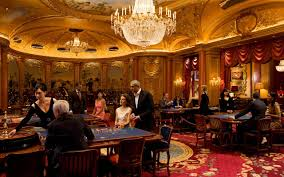
European casinos often emphasize calm lighting, historic design, and a slower pace of interaction.
A Bright and Lively First Step in American Casinos
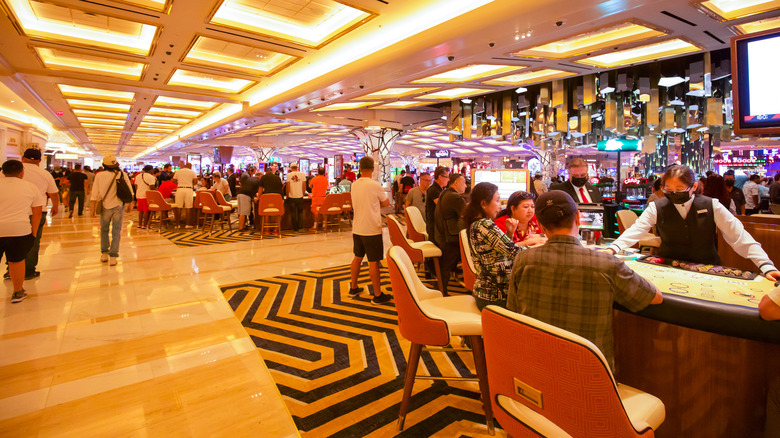
Now imagine stepping into a large casino in Las Vegas. The shift in feeling is immediate.
The space greets you with energy rather than calm. Lights are brighter. Sounds are more layered. Movement is constant. It feels like stepping into a living system rather than a quiet room.
American casinos are designed with a principle often discussed in Behavioral Economics: environments can encourage action. Every element, from lighting to layout, is structured to keep attention active.
Industry reports show that major U.S. casino resorts generate billions annually, with a large portion coming from entertainment, dining, and hospitality. This explains why the space feels more like a destination than a single-purpose venue.
As you walk in, you notice choices everywhere. Rows of machines, tables, restaurants, performance areas. The variety creates a sense of possibility.
The emotional response is different from Europe. Instead of slowing down, your senses wake up. There is a small rush of curiosity. You feel like something could happen at any moment.
People express themselves more openly. Wins are celebrated with smiles and visible excitement. Even casual movement feels faster.
The sound environment plays a key role. Studies on casino design have found that layered audio, including machine sounds and ambient music, can increase engagement and perceived excitement.
You are not just entering a space.
You are entering a rhythm.
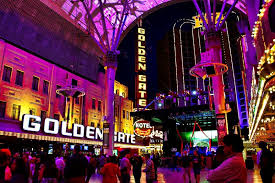
American casinos create high-energy environments designed to stimulate attention and movement.
A Rich and Layered Feeling in Asian Casino Spaces
Now step into a major gaming hub like Macau, and the experience becomes more layered.
The first impression is often visual richness. Colors such as red and gold are commonly used, reflecting cultural associations with luck and prosperity. The design feels intentional, almost symbolic.
At the same time, the space is highly modern. Large digital displays, advanced lighting systems, and expansive layouts create a sense of scale.
According to global gaming statistics, Asian casino markets have at times contributed more than half of worldwide casino revenue. This scale influences not only size but also design complexity.
What makes the experience unique is the balance.
Some areas feel intense and active, with closely packed tables and focused players. Others feel more open and controlled. You may see one table in complete silence while another reacts with visible energy.
This contrast creates a dynamic emotional experience.
The sounds are present but often more contained than in American spaces. Even when busy, the environment rarely feels chaotic. There is a sense of structure behind the activity.
From a psychological perspective, this layered environment engages both attention and reflection at the same time. It allows for excitement, but also maintains a level of control.
The result is an atmosphere that feels both modern and rooted in tradition.
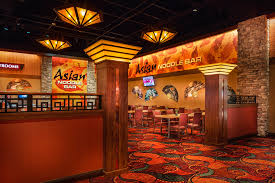
Asian casinos often blend cultural symbolism with large-scale modern design.
What the First Step Really Does to the Mind
When you compare these experiences, something deeper becomes clear.
The first step into a casino is not neutral.
It immediately shapes how you think, feel, and behave.
In calmer environments, your mind slows down and becomes more observant. In high-energy environments, your attention becomes active and exploratory. In layered environments, you experience both focus and stimulation at the same time.
Research across psychology fields shows that first impressions of a space can influence decisions within minutes, often without conscious awareness. This means the way a casino “welcomes” you can affect everything that follows.
Real Visitor Reflections
People who travel between different casino regions often notice these changes very clearly.
One visitor described Europe this way:
“It felt like I was stepping into a quiet story rather than a game.”
Another described the U.S. experience:
“You feel the energy immediately. It is almost impossible to stand still.”
And a traveler in Asia shared:
“There is so much detail. It feels meaningful, not just exciting.”
These reflections show how strongly environment shapes perception.
Final Thought
Walking into a casino is not just a physical action. It is an emotional transition.
It shifts your pace, your attention, and your expectations in just a few seconds.
Different parts of the world create this moment in different ways. Some spaces invite calm observation. Others encourage excitement and movement. Some balance both with careful design.
But in every case, that first step matters.
It sets the tone for everything that comes after.
So the next time you imagine entering a casino, pause for a moment and think beyond the games.
Think about the feeling.
Because these places are not only built with lights and tables.
They are built with intention.
And that intention begins working on you the moment you walk through the door.