Introduction
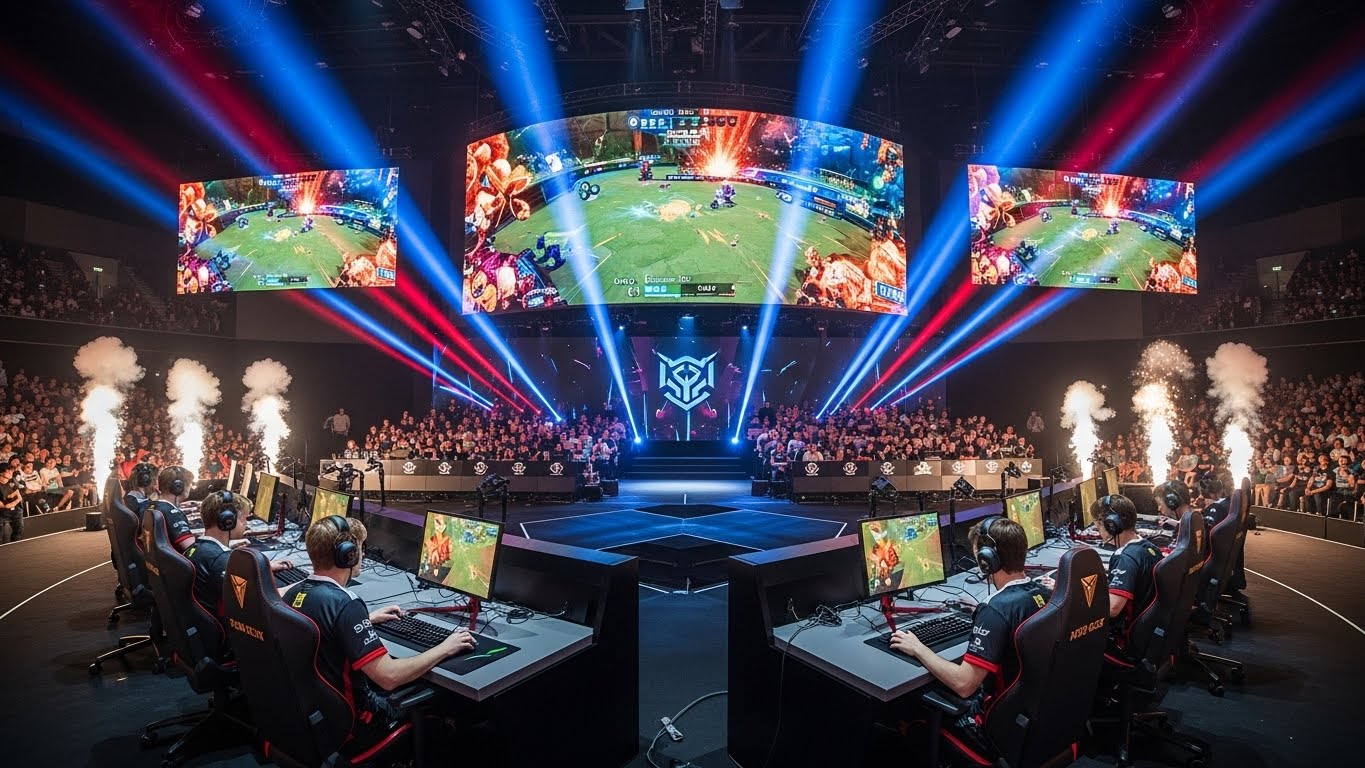
Modern gaming events have evolved far beyond traditional entertainment gatherings. Today’s online gaming tournaments, esports competitions, virtual casino showcases, and live-streamed gaming events rely heavily on advanced digital production technologies to deliver immersive and interactive experiences for global audiences.
From high-definition broadcasting systems to real-time graphics and virtual production tools, technology plays a central role in shaping how gaming events are organized and experienced. Digital production systems not only improve visual quality but also increase audience engagement, accessibility, and operational efficiency.
As gaming audiences continue growing worldwide, production technology remains one of the most important factors influencing the success of modern gaming events.
Evolution of Gaming Event Production
In earlier years, gaming events were relatively simple and limited mainly to physical venues with local audiences. Production setups often included basic camera systems and minimal broadcasting support.
The rise of internet streaming, cloud technology, and advanced digital media tools transformed gaming event production into a global entertainment industry. Events can now reach millions of viewers simultaneously through online platforms and mobile applications.
Modern production environments combine multiple technologies to create highly professional digital experiences.
High-Definition Video Broadcasting
High-definition broadcasting has become a standard feature in modern gaming events. Professional camera systems, multi-angle production setups, and advanced video switching technology allow audiences to follow events with greater visual clarity.
HD and ultra-high-definition streaming improve viewer engagement by providing detailed visuals and smoother video quality. Broadcast teams often use cinematic camera movements, slow-motion replays, and live transitions to create more dynamic viewing experiences.
Visual quality remains a major factor influencing audience retention and event popularity.
Real-Time Graphics and Data Integration
Modern gaming productions rely heavily on real-time graphics systems that display scores, statistics, player information, and interactive animations during live broadcasts.
These graphics help viewers understand gameplay developments more clearly while enhancing entertainment value. Real-time overlays, digital scoreboards, and animated transitions create more professional and visually appealing broadcasts.
Advanced software allows production teams to update information instantly during live gaming events.
Live Streaming Infrastructure
Live streaming technology has become essential for online gaming events and virtual casino entertainment platforms. Streaming systems allow events to reach international audiences across websites, social media platforms, and mobile applications in real time.
Cloud-based streaming infrastructure improves accessibility and supports stable performance during high-traffic broadcasts. Many platforms now offer interactive features such as live chat systems, instant reactions, and audience polls alongside live streams.
Streaming innovation continues expanding the reach of digital gaming entertainment worldwide.
Virtual Production and Green Screen Technology
Virtual production tools are increasingly used in gaming event environments. Green screen systems, digital backgrounds, and augmented visual effects help create immersive broadcast settings without relying entirely on physical stage construction.
Production teams can design customized digital studios, animated environments, and themed visual experiences that enhance event presentation. Virtual production technology also provides greater creative flexibility and cost efficiency.
These systems are becoming increasingly common within esports and online gaming broadcasts.
Audio Technology and Sound Design
Sound quality plays a major role in modern gaming productions. Professional microphones, digital mixing systems, and surround sound technologies help improve audience immersion during live events.
Clear commentary, synchronized sound effects, and audience audio integration contribute to more engaging viewing experiences. Production teams carefully manage audio balance to ensure communication remains understandable during high-energy gaming moments.
Advanced sound design significantly improves overall broadcast professionalism.
Mobile Production and Remote Broadcasting
Mobile technology has made remote production systems more effective and accessible. Production teams can now manage certain broadcast operations remotely through cloud-based tools and internet-connected production software.
Remote broadcasting became especially important during periods when large physical gatherings were limited. Flexible production systems allow gaming events to continue operating efficiently across multiple locations.
Mobile integration has improved convenience and operational adaptability within digital production environments.
Artificial Intelligence in Production Systems
Artificial intelligence increasingly supports digital production workflows in gaming events. AI-powered systems help automate camera tracking, highlight generation, audience analysis, and content recommendations.
Automated replay systems and AI-assisted editing tools improve production efficiency while reducing manual workload. Some platforms also use AI analytics to monitor viewer engagement and optimize broadcast performance.
Artificial intelligence is expected to play an even larger role in future gaming event production.
Interactive Audience Features
Modern gaming productions increasingly focus on audience interaction. Live chats, polls, social media integration, and viewer participation systems create stronger connections between events and online communities.
Interactive features encourage real-time engagement and make audiences feel more involved in gaming broadcasts. Some platforms also allow viewers to customize viewing angles or access additional gameplay information during live events.
Audience participation has become a major trend in digital entertainment production.
Security and Broadcast Reliability
Large-scale gaming events require secure and reliable digital infrastructure. Production teams use cybersecurity systems, encrypted streaming technology, and backup servers to reduce operational risks during live broadcasts.
Reliable internet connectivity and cloud infrastructure are essential for preventing disruptions during high-profile events. Technical stability remains critical for maintaining professional production standards.
Secure systems help ensure smooth viewing experiences for global audiences.
Future Trends in Gaming Event Production
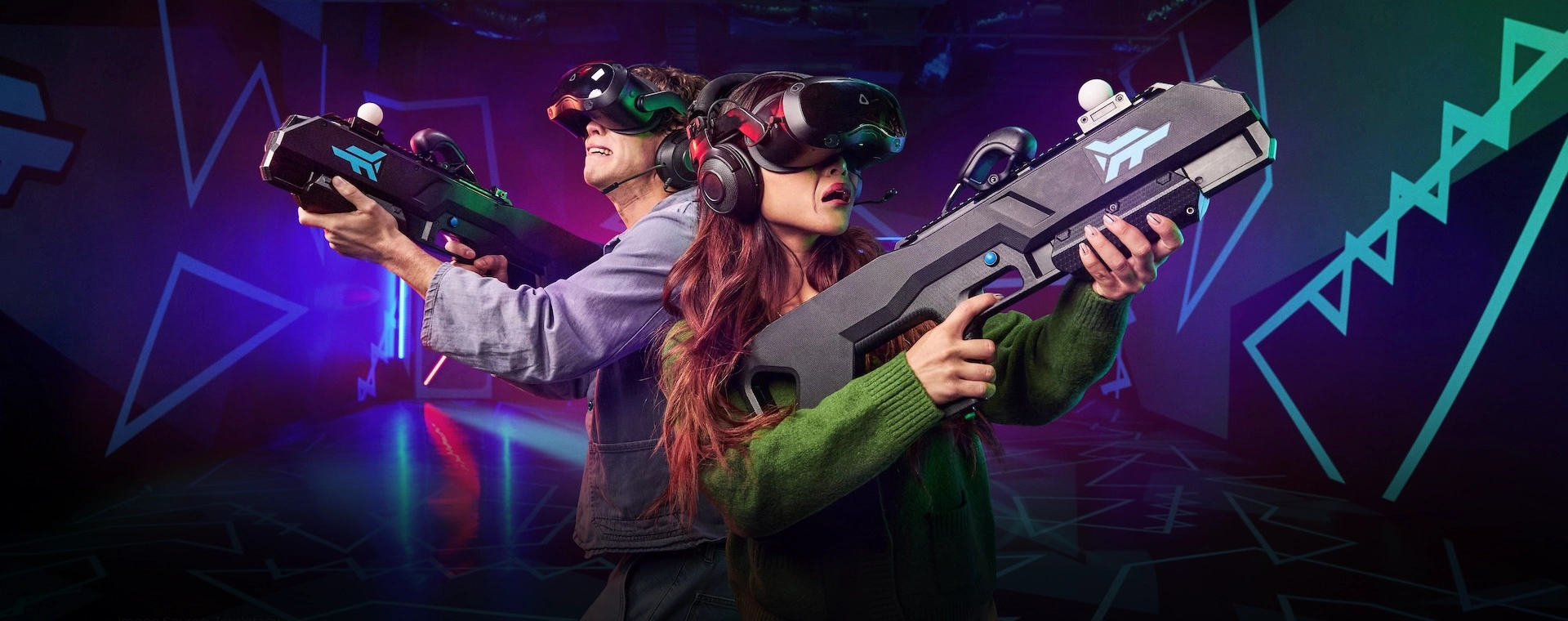
Future gaming productions are expected to involve greater use of virtual reality, augmented reality, and immersive digital environments. Advanced holographic displays and AI-generated production systems may further transform live entertainment experiences.
Faster internet networks and cloud computing advancements will also improve streaming quality and accessibility worldwide. Interactive virtual spaces may allow audiences to experience gaming events in entirely new ways.
Innovation will continue driving the evolution of digital production technology within gaming industries.
Conclusion
Digital production technologies have significantly transformed modern gaming events through high-definition broadcasting, live streaming systems, virtual production tools, and interactive audience features. These advancements have improved visual quality, accessibility, and engagement for gaming audiences worldwide.
Artificial intelligence, cloud infrastructure, and real-time graphics continue shaping how digital entertainment is produced and consumed. At the same time, secure systems and reliable broadcast technology remain essential for maintaining professional event standards.
As technology evolves further, gaming event production is expected to become even more immersive, interactive, and globally connected.