Introduction
Virtual gaming experiences have become increasingly advanced due to rapid developments in digital entertainment technology. Modern gaming platforms now focus heavily on interactive features that improve engagement, realism, and user participation across online environments.
Interactive entertainment systems allow users to communicate, customize experiences, participate in live activities, and access immersive digital environments in real time. Features such as live interaction, multiplayer systems, virtual reality, and personalized interfaces have significantly transformed online gaming experiences.
As digital technology continues evolving, interactive entertainment features remain central to the future of virtual gaming platforms.
Real-Time Multiplayer Interaction
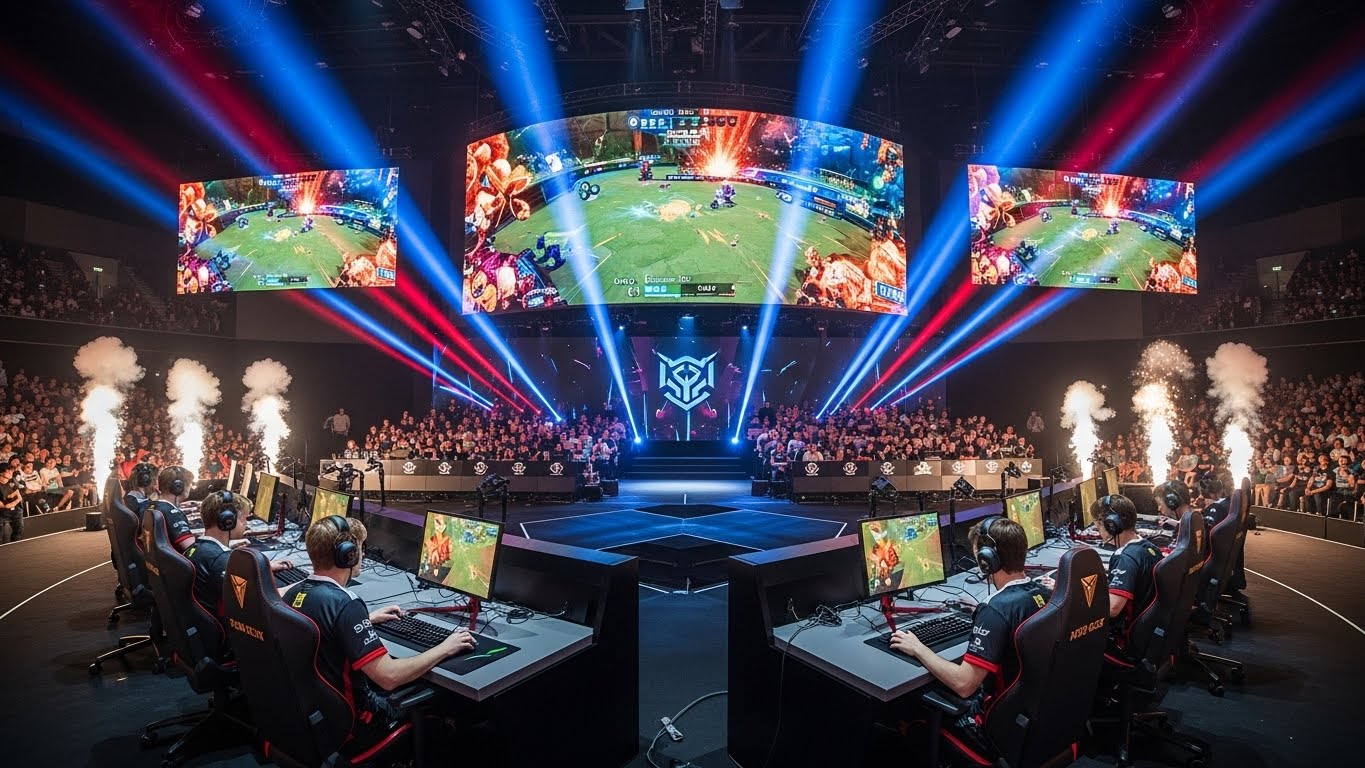
Multiplayer interaction is one of the most important features influencing virtual gaming experiences. Online platforms now allow users from different regions to connect and participate in shared digital environments simultaneously.
Voice communication systems, live messaging, and cooperative gameplay create more social and engaging entertainment experiences. Multiplayer systems encourage long-term participation and strengthen online gaming communities.
The growth of internet connectivity has greatly expanded the popularity of multiplayer gaming worldwide.
Live Chat and Communication Features
Communication tools play a major role in modern interactive entertainment systems. Many gaming platforms include live chat systems, voice channels, and real-time messaging features that allow users to interact during gameplay.
These communication systems improve teamwork, community engagement, and social participation. Interactive discussions also help create more immersive and connected gaming environments.
Real-time communication remains essential for modern digital entertainment platforms.
Personalized Gaming Interfaces
Personalization has become increasingly important within virtual gaming experiences. Modern platforms use artificial intelligence and user data analysis to customize recommendations, layouts, and gameplay features according to individual preferences.
Customized dashboards, favorite tracking systems, and adaptive content suggestions improve convenience and accessibility. Personalized interfaces help users navigate gaming platforms more efficiently while creating more engaging experiences.
AI-driven personalization continues shaping user expectations within digital entertainment industries.
Virtual Reality and Immersive Environments
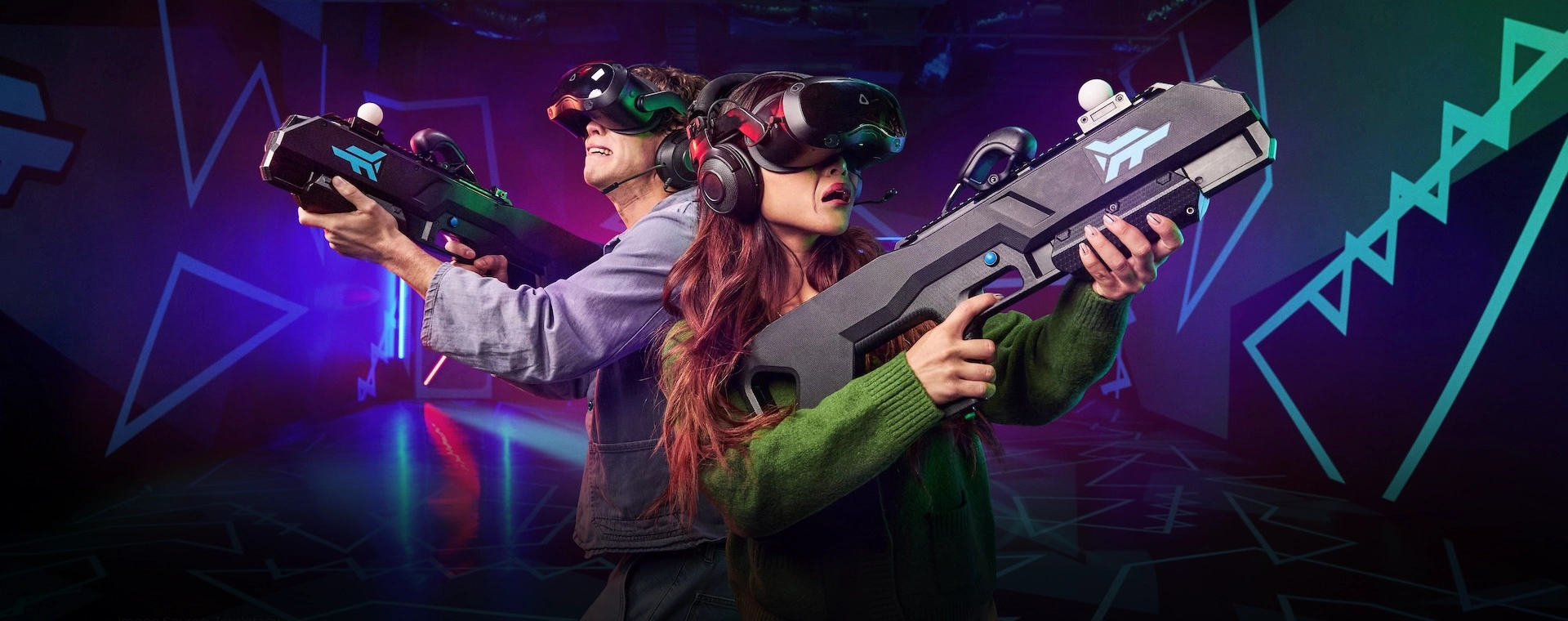
Virtual reality technology has introduced new possibilities for interactive gaming experiences. VR systems allow users to enter immersive three-dimensional digital environments using specialized headsets and motion controls.
Virtual reality enhances realism by creating interactive spaces that simulate physical movement and environmental interaction. Some gaming platforms are exploring VR casino systems and immersive multiplayer worlds.
As VR technology becomes more advanced, its influence on online entertainment is expected to increase further.
Augmented Reality Features
Augmented reality combines digital elements with real-world environments through smartphones, tablets, and wearable devices. AR systems allow users to experience interactive content layered over physical surroundings.
Gaming platforms use augmented reality to create location-based experiences, interactive displays, and enhanced visual engagement. AR technology supports more flexible and accessible entertainment environments compared to fully immersive VR systems.
The continued growth of AR technology is influencing how digital entertainment is experienced globally.
Interactive Live Streaming
Live streaming has become a major part of virtual gaming entertainment. Streaming platforms allow users to watch gameplay, participate in live discussions, and interact with content creators in real time.
Interactive features such as polls, reactions, live chats, and viewer participation systems increase audience engagement during broadcasts. Streaming technology has also strengthened connections between gaming communities worldwide.
The popularity of interactive streaming continues influencing digital entertainment trends.
Artificial Intelligence in User Interaction
Artificial intelligence increasingly supports interactive gaming features through automated systems and personalized recommendations. AI-powered systems help improve matchmaking, customer support, gameplay suggestions, and content delivery.
Machine learning technology also helps platforms analyze user behavior and optimize engagement strategies. Some games use AI-controlled characters and adaptive environments to create more dynamic experiences.
AI technology continues expanding the possibilities of interactive entertainment.
Mobile Accessibility and Cross-Platform Play
Mobile compatibility has significantly improved accessibility within virtual gaming environments. Users can now participate in gaming experiences through smartphones and tablets while remaining connected to broader online communities.
Cross-platform systems allow players using different devices to interact within shared digital spaces. Cloud infrastructure also supports synchronized gameplay and account management across platforms.
Flexible accessibility has become essential for modern online entertainment systems.
Social Communities and Digital Events
Interactive gaming experiences increasingly involve online communities and virtual events. Gaming platforms often host tournaments, digital concerts, live announcements, and community competitions within virtual environments.
These shared experiences strengthen audience engagement and encourage long-term community participation. Digital events also demonstrate how gaming environments are evolving into broader social entertainment spaces.
Community-driven interaction remains central to modern gaming culture.
Security and User Protection
As interactive systems become more advanced, gaming platforms increasingly focus on user safety and digital protection. Platforms use moderation systems, reporting tools, and cybersecurity infrastructure to maintain safer online environments.
Privacy controls, secure authentication systems, and responsible gaming features also contribute to better user protection. Safe digital interaction remains essential for maintaining long-term community trust.
Security continues playing an important role in interactive entertainment development.
Future Trends in Interactive Gaming
Future gaming experiences are expected to involve even greater levels of immersion and personalization. Artificial intelligence, virtual reality, and cloud gaming systems may create highly adaptive digital environments tailored to individual users.
Wearable technology, gesture controls, and holographic displays may also influence future entertainment systems. Faster internet infrastructure and real-time processing technology will continue improving accessibility and interaction quality.
Innovation will remain central to the evolution of interactive virtual gaming experiences.
Conclusion
Interactive entertainment features have significantly transformed virtual gaming experiences through multiplayer systems, live communication tools, personalized interfaces, and immersive technologies. Modern gaming platforms increasingly focus on engagement, accessibility, and real-time interaction to improve digital entertainment experiences.
Artificial intelligence, mobile accessibility, and live streaming systems continue shaping how users participate within online gaming environments. At the same time, secure systems and responsible platform management remain important priorities within digital entertainment industries.
As technology continues evolving, virtual gaming experiences are expected to become even more immersive, socially connected, and globally accessible.