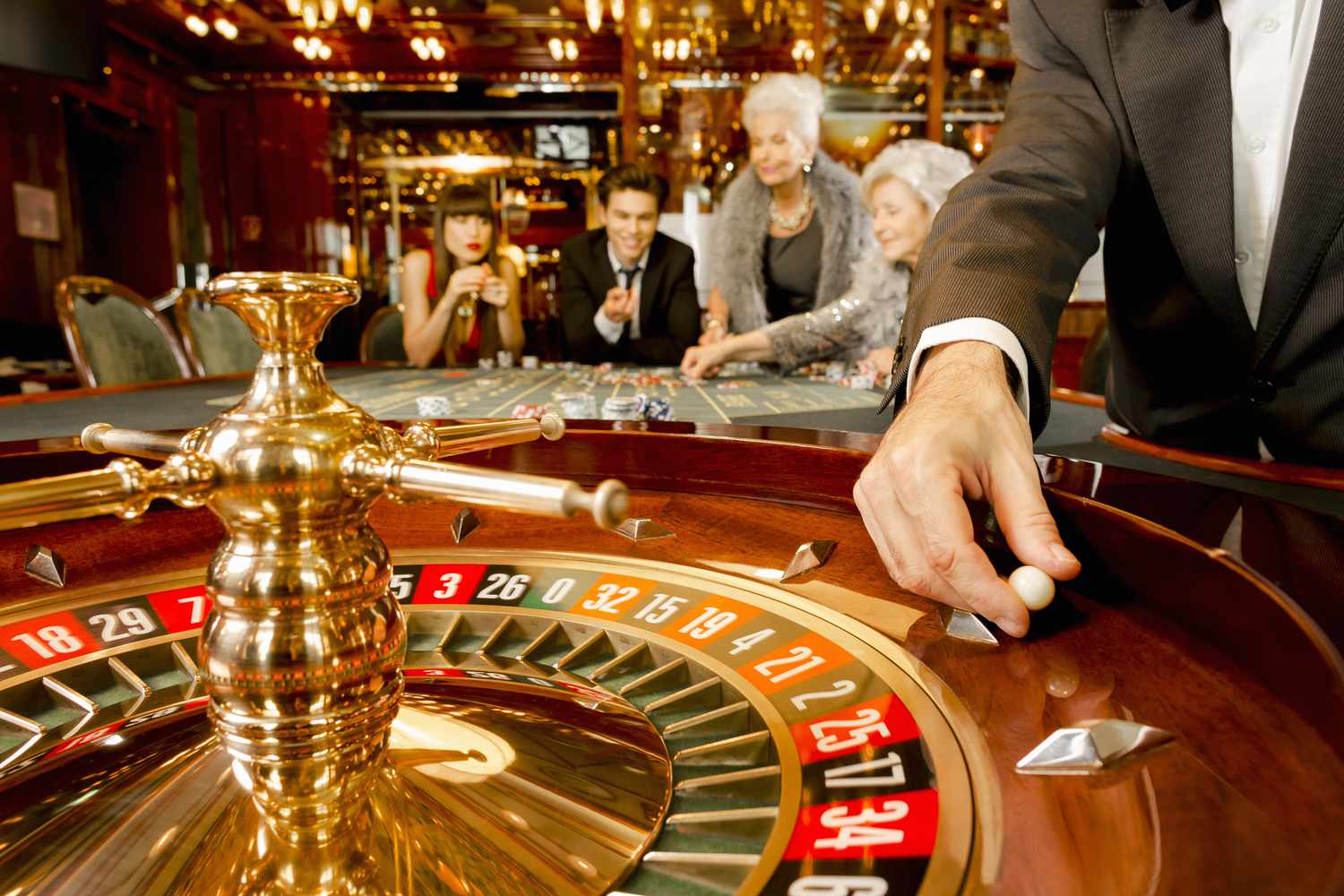
When people imagine casinos, they often picture grand entrances, bright lights, and crowds moving from one game to another. It feels big, fast, and full of noise. But if you slow down and pay attention, something much softer begins to appear beneath all of that energy.
You begin to notice small stories.
These are not dramatic or loud moments. They are quiet, almost invisible at first. They live in small gestures, in pauses, in the way people react when no one is really watching. These stories are easy to miss, but once you see them, they change how you understand the space.
Across the world, whether inside a historic place like Casino de Monte-Carlo or a modern complex in Macau, these small human moments exist everywhere. They are not tied to the size of the building or the amount of money being played. They come from people, not from games.
Let us walk slowly through a few of these stories, noticing them gently, one by one.
Quiet Moments That Stay Longer Than the Game
In a quiet corner of a large casino, a man sits alone at a table. He is not rushing. He watches carefully, sometimes playing, sometimes simply observing the flow of the game. There is patience in the way he moves.
After some time, he wins a small amount. It is not enough to draw attention. There is no celebration. But a soft smile appears on his face, and it stays there for a moment longer than expected.
He leans back slightly, takes a slow breath, and looks around, not at anything in particular, but as if taking in the moment itself.
That small moment feels complete.
In another part of the room, a woman stands at a machine. She presses a button, waits, and then presses again. There is a rhythm in her actions, almost like a quiet routine.
Then she pauses.
Not because of a win or a loss, but simply to rest. She looks at her hands, then at the screen, and takes a small step back. For a brief second, it feels like she is thinking about something beyond the game.
Research in Cognitive Psychology suggests that these pauses are important. The brain often needs small breaks to process emotion and maintain balance, especially in environments filled with constant stimulation.
These moments may seem simple, but they stay in memory longer than many outcomes.
They are not about numbers.
They are about presence.
Small pauses and quiet reflections are common even in the busiest casino spaces.
Simple Connections Between Strangers
Casinos bring together people from many different places. Different languages, different ages, different lives. Yet something interesting happens in these shared spaces.
People connect, but in very small ways.
A glance. A nod. A brief smile.
These interactions are short, but they carry meaning.
In a casino in Las Vegas, two strangers stand side by side. One of them wins. The other notices and gives a small nod, just for a second.
No words are exchanged.
But the message is clear.
“I saw that moment. I understand it.”
In another place, a player lets out a quiet laugh after a loss. The person nearby smiles gently, not in a way that judges, but in a way that shares the feeling.
Psychologists studying Social Psychology often describe these moments as “micro-connections.” They are brief, but they create a sense of shared experience between strangers.
Online forums and player communities often reflect this feeling too. One player once wrote:
“I never talk to people in casinos, but sometimes a simple nod from someone next to you feels enough.”
Another shared:
“You don’t need words. Everyone there understands what you’re feeling in that moment.”
These small connections remind us that even in busy and noisy spaces, people still find ways to share quiet understanding.
Personal Moments That Only the Player Feels
Some of the most meaningful stories inside casinos are not visible at all.
They happen inside the player’s mind.
A person may sit for a long time, not speaking, not reacting much, but thinking deeply. The game is in front of them, but their attention moves inward.
They may be remembering something, considering a decision, or simply enjoying a moment of stillness in the middle of activity.
In one corner, a player stops completely. They look at the screen, close their eyes briefly, and then open them again. That pause may last only a second, but it carries weight.
It could be about deciding whether to continue or to stop.
It could be about understanding how they feel.
In another moment, someone slowly stands up after playing for a long time. There is no rush. They take one last look, then quietly walk away.
To others, it may seem like nothing.
But for that person, it may feel like the end of something complete.
Behavioral studies suggest that these personal decision moments are often influenced by emotional processing more than logic, especially in uncertain environments. The brain quietly weighs feelings, memory, and experience before taking action.
These are stories that no one else sees.
But they are often the most meaningful.
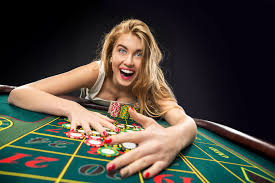
Personal reflections often happen quietly, even in highly active environments.
The Hidden Layer Inside Every Casino
When you step back and look at these moments together, a different picture begins to form.
Casinos are not only spaces of action.
They are also spaces of pause.
They are filled with movement, but also with stillness. With excitement, but also with reflection. With crowds, but also with quiet personal experiences.
Global casino industries generate hundreds of billions of dollars each year, but numbers alone do not explain what happens inside these spaces. What truly defines the experience are these small human moments.
A smile that lasts for a second.
A shared glance between strangers.
A quiet decision made without words.
These are the stories that stay.
Final Thought
The next time you think about casinos, it can be easy to focus on the big picture. The lights, the scale, the wins and losses.
But if you slow down, you begin to see something else.
You see small stories.
Stories that do not need attention.
Stories that happen in silence.
Stories that belong to people, not to games.
Just like simple memories shared over time, these moments may seem small, but they stay longer than expected. They become part of how we remember places, not because they were loud, but because they felt real.
And once you start noticing them, you realize they are everywhere.
Waiting quietly to be seen.