
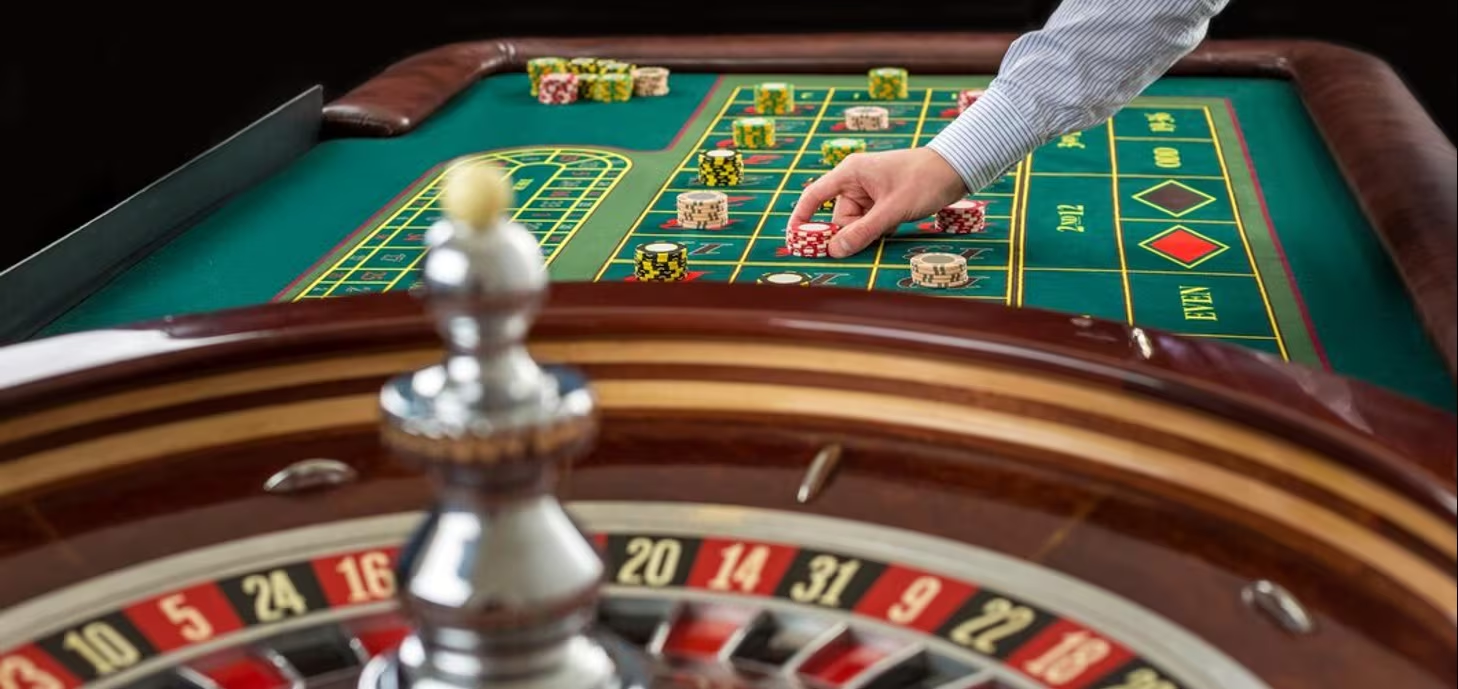
A city can become famous for casinos, but keeping visitors interested often requires much more than gaming facilities. Travellers increasingly look for complete experiences that combine accommodation, dining, live performances, shopping, culture, and opportunities to explore the surrounding area.
Casino destinations have responded to this demand in different ways. Some have invested in major concert venues and theatrical productions, while others combine resort development with heritage tourism, international events, and distinctive local food. These choices help cities appeal to visitors who have different budgets, interests, and travel plans.
Entertainment is therefore not simply an extra feature. In many casino cities, it is central to how the destination presents itself to the world.
Moving Beyond a Single Attraction
A destination that depends on one main attraction may struggle to appeal to visitors for more than a short visit. A broader entertainment offer gives travellers additional reasons to arrive, stay longer, and return.
Las Vegas provides a prominent example. Alongside its casinos, the city offers concerts, comedy shows, sporting events, restaurants, conventions, and large visual attractions. Visitors can organise an entire itinerary without making gambling the central activity.
Other destinations take different approaches. Macau combines integrated resorts with historic districts and Chinese-Portuguese cultural heritage. Monte Carlo connects casino history with coastal scenery, cultural events, luxury hotels, and the wider attractions of Monaco.
These examples show that entertainment-led tourism works best when activities complement the destination’s character rather than making every place feel the same.
Live Shows and Major Events
Live entertainment can give visitors a specific reason to choose one city over another. A major concert, theatre production, sports competition, or cultural festival may become the main purpose of a trip.
Casino resorts often have the facilities to host performances and large events because they already provide accommodation, restaurants, and event spaces. Visitors may be able to attend a show, eat dinner, and return to their hotel without travelling across a large area.
Major events can also bring economic benefits to nearby businesses. Restaurants, taxis, shops, and independent attractions may receive additional customers when visitor numbers increase.
However, event tourism requires careful planning. Transport capacity, ticket availability, accommodation prices, crowd management, and clear information all influence the visitor experience.
Dining as Part of the Destination
Food is another important part of entertainment-led travel. Visitors may plan a trip around a famous restaurant, regional speciality, food festival, or a chance to sample different cuisines.
Casino cities often offer a wide range of dining options, from casual cafés and local restaurants to fine dining and international food courts. This variety can make the destination appealing to people with different tastes and budgets.
Local cuisine is particularly valuable because it gives visitors a connection to the place itself. Travellers can enjoy regional dishes, visit markets, and discover independent food businesses outside the main resort areas.
A balanced destination strategy should make local dining easy to discover rather than presenting visitors with only large resort restaurants.
Resort Design and the Visitor Experience
The design of a resort can influence how visitors spend their time. Large integrated properties may include shops, swimming pools, gardens, theatres, restaurants, exhibition areas, and public spaces.
These facilities create convenience, especially for travellers attending events or taking short breaks. Yet the wider design of the destination matters as well. Pedestrian routes, signage, public transport, and connections to local attractions can encourage people to explore beyond the resort.
The strongest tourism experiences often combine convenience with discovery. Visitors appreciate easy access to facilities, but they may also want to experience local streets, architecture, history, and everyday culture.
Marketing a Recognisable Entertainment Identity
Tourism marketing helps shape what people expect from a city before they arrive. Images of performances, skyline views, restaurants, cultural landmarks, and major events can communicate a destination’s character.
A consistent identity can help travellers understand why a city is different from competing destinations. Las Vegas promotes spectacle and a wide range of entertainment, while Monte Carlo is closely associated with Mediterranean scenery, heritage, and refined hospitality.
However, a destination’s marketing should reflect what visitors can genuinely experience. If promotional images create expectations that transport, services, or attractions cannot meet, visitors may leave disappointed.
Clear information about events, opening arrangements, travel options, and accessibility helps turn interest into a better organised trip.
Why Variety Supports Tourism Resilience
Travel preferences change over time. Some visitors prioritise concerts, while others prefer food, museums, shopping, sport, or outdoor activities. Economic conditions and international travel patterns can also affect demand.
Cities with varied attractions may be better able to respond to these changes. If a major event is not taking place, visitors can still explore museums, historic districts, restaurants, and cultural venues.
Diversification can also distribute tourism spending across more businesses. Instead of concentrating all activity in a single resort, visitors may spend money in neighbourhood cafés, local shops, galleries, and transport services.
For this to work, local attractions need visibility, accessibility, and a clear place within the overall visitor experience.
Planning an Entertainment-Focused Visit
Travellers can get more from a casino city by planning beyond its best-known attractions.
- Check event dates before booking accommodation.
- Compare the location of hotels with the venues and neighbourhoods you want to visit.
- Leave time for local food, cultural sites, and independent businesses.
- Review transport options, particularly after late performances.
- Set a realistic travel budget that includes meals, tickets, transport, and unexpected expenses.
- Treat gambling as optional rather than the main financial purpose of the trip.
This approach creates a more varied itinerary and reduces dependence on a single activity.
Conclusion
Casino cities build their reputation around entertainment by combining performances, dining, events, hospitality, and distinctive local attractions. These elements broaden the destination’s appeal and create experiences that can be enjoyed by many types of travellers. Long-term success depends on offering more than impressive resorts: cities also need accessible infrastructure, authentic local experiences, and reliable visitor services.
FAQs
1. Why is entertainment important to casino cities?
It attracts visitors with different interests and provides reasons to stay longer or return, even when gambling is not their main purpose.
2. What types of entertainment can visitors find?
Depending on the destination, options may include concerts, theatre, sporting events, restaurants, museums, shopping, festivals, and cultural tours.
3. How do major events benefit a destination?
They can attract additional visitors and generate business for hotels, restaurants, transport providers, and local attractions.
4. How can travellers plan a better entertainment-focused trip?
They can check event schedules, organise transport, explore local neighbourhoods, and allow time for attractions beyond major resorts.

5 thoughts on “How Casino Cities Build Their Reputation Around Entertainment”