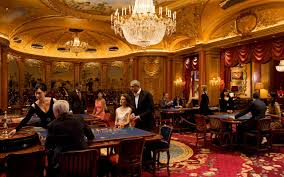

Modern casino culture is the result of centuries of social change, legal decisions, economic development, and changing attitudes toward leisure. Casinos did not emerge in their current form overnight. Their development involved everything from European social clubs and resort towns to twentieth-century tourism projects and modern integrated resorts.
Certain historical events had a particularly strong influence on how casinos operate and how the public perceives them. Some established recognizable gaming destinations, while others changed the industry’s legal status or connected casinos more closely with hotels, restaurants, and live entertainment.
Examining these developments provides a clearer picture of how casino culture became part of the international tourism industry.
The Rise of Organized Gaming in Europe
During the seventeenth and eighteenth centuries, organized gambling became associated with selected social environments in parts of Europe. Gaming rooms and private clubs provided spaces where people could gather for cards, betting, and other forms of recreation.
These establishments were not identical to today’s large casino resorts. They generally operated within the social and legal conditions of their time, serving particular groups and reflecting the customs of local communities.
Over time, some gaming venues became connected to fashionable travel destinations. Visitors were attracted by opportunities to socialize, attend events, and experience the atmosphere of a resort town. This relationship between gaming and travel helped establish a model that later casino destinations would expand.
The development of European casino culture was not uniform, however. Government restrictions and public attitudes differed from one country to another, creating a patchwork of permitted and prohibited activities.
The Nineteenth-Century Resort Era
The nineteenth century was an important period for the growth of resort-based casino culture. Improvements in transportation made some destinations more accessible, while expanding urban populations created new demand for leisure travel.
Seaside resorts, spa towns, and fashionable holiday centers offered visitors a combination of accommodation, dining, entertainment, and social activities. Casinos sometimes became prominent parts of these environments.
Monaco’s Casino de Monte-Carlo, which opened in 1863, became an important symbol of this model. The venue helped connect gaming with architecture, prestige, and international visitors. Its reputation developed alongside the wider identity of Monte Carlo as a destination for luxury travel and social events.
This period helped shape the idea that a casino could contribute to the identity of an entire destination. The surrounding town, its services, and its atmosphere became part of the visitor experience.
Las Vegas and the Expansion of Casino Tourism
Las Vegas underwent a major transformation during the twentieth century. Nevada legalized wide-ranging casino gambling in 1931, establishing a legal foundation for the city’s later development as a major gaming destination.
The construction of the Hoover Dam and other regional economic activity contributed to population growth and travel. Over subsequent decades, Las Vegas expanded its hotel and casino infrastructure and developed a recognizable entertainment identity.
The growth of large resorts changed the industry’s business model. Casinos became part of complexes offering accommodation, restaurants, performances, convention facilities, and other attractions. Visitors could organize entire holidays around a single property or use the city as a base for exploring the surrounding region.
The city’s evolution also reflected changes in transport, advertising, entertainment, and investment. Its success influenced other destinations interested in combining gaming with hospitality and tourism.
Las Vegas did not invent every element of the modern casino resort, but it became one of the clearest examples of how gaming could be integrated into a broad entertainment economy.
Changes in Gambling Laws and Regulation
Legal reforms have repeatedly changed the location and structure of the casino industry. When a government permits licensed casinos, it must determine who can operate them, what games are allowed, how taxes are collected, and which protections apply to customers.
The development of casino regulation in the United States illustrates this process. Different states adopted different policies, and some tribal governments developed gaming operations under specific legal arrangements. These changes created new markets while also raising questions about public revenue, community impact, and oversight.
Other countries have followed their own paths, ranging from state-controlled gaming to limited licensing systems or broad prohibitions. These approaches affect employment, investment, tourism, and the visibility of casinos in local communities.
Legalization is therefore not simply a business milestone. It can represent a major policy decision involving competing goals, including economic development and the prevention of gambling-related harm.
Macau’s Transformation Into a Major Gaming Destination
Macau’s casino history reflects a distinctive combination of cultural influences and political change. Gaming has existed there for generations, but the industry changed significantly when the region’s licensing structure was reformed around the turn of the twenty-first century.
The opening of the market to additional operators encouraged substantial investment in hotels, retail, entertainment, and large resort developments. Macau increasingly attracted international visitors, particularly through its position within the wider Asian travel market.
This expansion helped establish the integrated resort as a major feature of the region’s tourism economy. The facilities surrounding gaming became central to competition among operators.
Macau’s development also demonstrates how policy decisions can reshape a destination. Changes to licensing, transport connections, visitor flows, and economic conditions can influence the industry’s scale and its relationship with the local economy.
Singapore and the Modern Integrated Resort Model
Singapore’s introduction of integrated resorts in the early twenty-first century marked another important development. The government permitted casino operations within a carefully regulated tourism framework.
The resulting resorts combine accommodation, restaurants, retail, event spaces, and attractions with casino facilities. This model illustrates how gaming can be incorporated into a wider destination strategy rather than treated as an isolated activity.
At the same time, Singapore has introduced safeguards intended to manage access and reduce gambling-related harm. These measures demonstrate that tourism development and social protection can be addressed together, although the effectiveness of any system depends on its implementation and continued review.
The Singapore example reflects a broader industry trend: casino development is increasingly evaluated through its effects on the visitor economy, employment, infrastructure, and communities.
Technology and the Changing Visitor Experience
Technological advances have altered casino operations throughout the modern era. Electronic gaming machines, digital payment systems, sophisticated security equipment, and computerized management tools changed how venues function.
The internet introduced another major shift by allowing certain forms of gambling to take place remotely in jurisdictions where they are legal. Online platforms created new regulatory challenges involving identity verification, payment monitoring, advertising, and cross-border access.
Mobile technology has also influenced the planning stage of casino travel. Visitors can research destinations, compare hotels, check event schedules, and make reservations before arriving.
These changes have not eliminated the appeal of physical casinos. Instead, they have changed the relationship between gaming venues, digital services, and the broader tourism experience.
The Growing Importance of Responsible Gambling
Historical development has not been driven by expansion alone. Greater awareness of gambling-related harm has encouraged governments and operators to consider consumer protection more seriously.
Modern safeguards can include age verification, self-exclusion systems, staff training, clear information about game rules, and access to support services. Requirements differ by jurisdiction, and the existence of a policy does not automatically guarantee that every risk has been addressed.
Responsible-gambling measures are now an important part of discussions about the industry’s long-term future. They reflect a wider recognition that economic benefits must be considered alongside potential costs to individuals, families, and communities.
Conclusion
Casino culture has been shaped by a series of historical developments, including the rise of European resort venues, Nevada’s legalization of casino gambling, the expansion of Las Vegas, Macau’s market reforms, and Singapore’s integrated resort strategy.
Each milestone changed the industry’s relationship with travel, entertainment, law, and public policy. Together, these events explain why modern casinos vary so widely in scale and identity. Their future will depend not only on investment and visitor demand but also on effective regulation, technological change, and meaningful protections for customers and communities.
Frequently Asked Questions
1. Which historical development helped Las Vegas become a casino destination?
Nevada’s legalization of wide-ranging casino gambling in 1931 provided a legal foundation for later growth. Tourism, investment, transportation, hotels, and entertainment also contributed.
2. Why is the opening of the Casino de Monte-Carlo historically important?
It helped establish Monte Carlo’s association with resort tourism, formal entertainment, and distinctive casino architecture during the nineteenth century.
3. What is an integrated casino resort?
It is a development that combines casino facilities with services such as hotels, restaurants, retail, performances, and convention spaces.
4. How has technology changed casino culture?
Technology has transformed gaming equipment, security, payments, customer services, travel planning, and access to online gambling where permitted by law.
5. Why is responsible gambling part of the industry’s history?
As awareness of gambling-related harm has grown, regulation and consumer-protection measures have become increasingly important to public policy and industry oversight.