
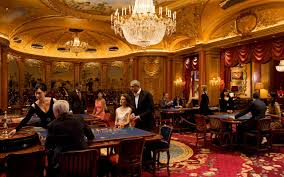
The casino industry has changed significantly over time. Early gaming establishments often served specific social groups, while many modern venues operate as large entertainment businesses with hotels, restaurants, performances, and conference facilities. Changes in law, technology, transportation, and customer expectations helped drive this transformation.
These milestones did not affect every country in the same way. Some markets developed through licensed private businesses, while others relied on state-controlled systems or maintained strict restrictions. Nevertheless, several developments had a lasting influence on how casinos are built, managed, regulated, and experienced. Read me!
1. The Development of Organized Casino Venues
One early milestone was the emergence of dedicated venues for organized gambling. Rather than relying entirely on informal games in private homes or public gathering places, some communities developed establishments where specific games could be offered within defined settings.
These venues created a more structured environment for gaming. They also introduced practical requirements involving staff, rules, customer management, and the handling of money.
Over time, dedicated gaming establishments became associated with social events and leisure travel in certain regions. This laid some of the groundwork for the modern casino, although the legal status and social acceptance of such venues varied widely.
2. The Growth of Resort-Based Casino Culture
The expansion of European resort tourism during the eighteenth and nineteenth centuries helped connect casinos with travel and hospitality. Some venues operated in destinations known for their spas, coastal settings, architecture, and fashionable social life.
The Casino de Monte-Carlo, opened in 1863, became a prominent example of the relationship between a gaming venue and a resort’s broader identity. Its reputation formed part of a larger tourism story involving hotels, cultural attractions, and international visitors.
This development demonstrated that a casino could help distinguish a destination from competing holiday locations. It also encouraged businesses to consider the complete visitor experience rather than focusing exclusively on games.
3. Legalization in Nevada in 1931
Nevada’s legalization of wide-ranging casino gambling in 1931 was a defining moment in the development of Las Vegas. It created a legal environment in which licensed gaming businesses could expand and attract investment.
Legalization alone did not create the modern Las Vegas economy. Infrastructure, population growth, business decisions, advertising, entertainment, and later resort development all played important roles.
However, the change provided a foundation for a gaming market that eventually became internationally recognized. It also demonstrated how a clear legal framework could influence the location and development of an industry.
4. The Rise of Large Casino Hotels
During the twentieth century, many casinos increasingly combined gaming with accommodation and other visitor services. The casino hotel became a recognizable business model because it allowed operators to serve guests across several parts of a trip.
Instead of offering a gaming floor alone, a property could provide rooms, restaurants, bars, shows, meeting facilities, and leisure amenities. These services created more reasons for visitors to stay overnight and gave destinations additional ways to attract different audiences.
This model also increased operational complexity. Large resorts required coordination between hospitality teams, security departments, entertainment providers, maintenance staff, and gaming operations.
The casino hotel became an important step toward the integrated resort model used in several contemporary markets.
5. The Introduction of Electronic Gaming Machines
Electronic gaming machines changed casino operations by introducing automated play and new approaches to game design. They gradually became a major feature of many gaming floors.
Electronic systems enabled varied game formats, digital displays, and more consistent handling of game mechanics. Later developments introduced more elaborate graphics, sound, bonus features, and networked management systems.
The technology also changed maintenance and oversight requirements. Operators needed procedures for machine testing, monitoring, software management, and compliance with local standards.
Although the presentation of games has become more sophisticated, electronic systems do not eliminate the underlying financial risk. Outcomes remain governed by the specific game’s rules and design, and players should not interpret visual effects or frequent small payouts as evidence of a reliable way to make money.
6. The Expansion of Table-Game Technology and Security
Technology has also changed traditional table-game operations. Modern venues may use surveillance systems, electronic monitoring, automated accounting tools, and equipment designed to support consistent procedures.
These systems can help operators manage activity, investigate irregularities, and meet regulatory requirements. They also influence the layout of gaming floors and the training provided to staff.
Security technology has become increasingly important as casinos handle large numbers of visitors and substantial financial transactions. However, effective oversight requires more than equipment. Staff training, clear procedures, independent checks, and regulatory enforcement remain essential.
7. Market Reforms and New International Destinations
Changes to gambling laws have helped establish new casino markets in different parts of the world. Macau’s licensing reforms around the turn of the twenty-first century encouraged new investment and the development of large resort properties.
Singapore’s later adoption of tightly regulated integrated resorts created another model in which casino facilities formed part of a broader tourism strategy.
These developments illustrate the influence of public policy on the industry. Licensing structures, tax arrangements, permitted activities, and social safeguards can determine the pace and direction of investment.
New destinations also compete with established markets by offering different attractions, hotel experiences, cultural settings, and transport connections.
8. The Emergence of Integrated Resorts
An integrated resort combines gaming with a wider collection of facilities. Depending on the property, these may include luxury accommodation, shopping areas, theatres, convention centers, restaurants, wellness services, and major attractions.
The model expanded the potential audience for casino destinations. Business travelers, concertgoers, shoppers, and holidaymakers could use the same resort without sharing the same reasons for visiting.
This diversification can help destinations attract visitors throughout the year, particularly when they have facilities for conferences and large events. It can also make resorts more resilient to changes in gaming demand.
However, large developments require significant investment and can place pressure on transport, utilities, housing, and local infrastructure. Their long-term value depends on planning, employment quality, and the distribution of economic benefits.
9. Online Gambling and Mobile Access
The growth of the internet introduced a major change in how people access gambling. In jurisdictions where online gambling is legal, customers may be able to use websites or mobile applications rather than visit a physical venue.
Digital access has created new business models and regulatory challenges. Authorities must consider identity checks, age verification, payment security, advertising, data protection, and the possibility of users accessing services from prohibited locations.
Online gambling is not legally permitted everywhere, and rules can differ even within the same country. Users should verify local requirements and avoid unlicensed services.
The growth of digital gambling has also encouraged physical resorts to improve their online booking systems, mobile information services, and communication with visitors.
10. Responsible Gambling as an Industry Priority
Greater awareness of gambling-related harm has influenced modern regulatory and operational standards. Depending on the jurisdiction, casinos may be required to provide clear game information, age checks, self-exclusion options, staff training, or access to support resources.
Responsible-gambling measures are important because an entertaining environment can make it easy for visitors to lose track of time or spending. Setting a firm budget, avoiding borrowed money, and taking breaks can reduce some risks, although no measure removes them entirely.
This milestone reflects a broader change in how the industry is evaluated. Financial performance and tourism benefits are important considerations, but so are customer safety and community well-being.
Conclusion
The casino industry has been transformed by organized gaming venues, resort tourism, legal reforms, electronic machines, security systems, integrated resorts, and digital technology. Each milestone changed the industry’s structure or the way visitors interact with it.
The next stage of development will likely involve further technological changes, evolving tourism expectations, and continued attention to regulation. Sustainable progress will require businesses and policymakers to balance commercial ambitions with transparency, consumer protection, and the wider interests of local communities.
Frequently Asked Questions
1. What was one of the most important milestones in casino history?
There is no single answer, but Nevada’s 1931 legalization, the growth of casino hotels, and the development of integrated resorts were significant turning points.
2. How did electronic gaming machines change casinos?
They introduced automated game formats, digital displays, new maintenance needs, and different ways to monitor gaming activity.
3. What makes an integrated resort different from a traditional casino?
An integrated resort combines gaming with multiple hospitality and entertainment facilities, such as hotels, restaurants, retail, and event spaces.
4. Has online gambling replaced physical casinos?
No. Online gambling has created another way to access gaming where legal, while physical casinos continue to offer hospitality, events, dining, and in-person entertainment.
5. Why are consumer-protection measures important?
They help address risks associated with gambling, including financial losses and compulsive behavior, and form part of the broader regulatory responsibilities of operators and governments.