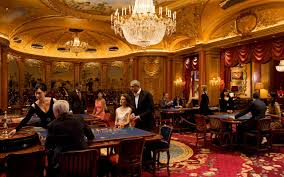

A visit to a casino was once commonly associated with the games available inside the venue. Today, many casino destinations offer a much broader experience, combining accommodation, restaurants, shopping, concerts, cultural attractions, and organized events.
This change reflects the development of the tourism industry and the growing importance of hospitality in casino business models. Visitors increasingly expect destinations to offer several activities within a convenient distance. For some, the casino may be the main attraction. For others, it is simply one part of a larger holiday.
The shift has changed how destinations promote themselves, how resorts are designed, and how travelers organize their time. It has also created opportunities for local businesses that benefit from visitors who want to explore beyond gaming floors.
From Gaming Venue to Leisure Destination
Traditional gaming venues often focused on providing a particular environment for games and social interaction. Their appeal could be closely connected to the atmosphere, reputation, and exclusivity of the establishment.
As travel and hospitality developed, some casinos became part of resort destinations. Visitors could combine a gaming session with a hotel stay, a meal, or an evening performance. The trip gradually became less dependent on a single activity.
European resort towns helped establish this relationship between gaming and wider leisure experiences. Casinos existed alongside hotels, gardens, cultural events, and other attractions that encouraged visitors to spend more time in the destination.
Later, large casino hotels expanded the idea by placing multiple services within one property. This made it possible to plan an entire short break around a single resort without limiting the itinerary to gambling.
The Influence of Las Vegas
Las Vegas became one of the strongest examples of the transformation from casino visit to complete entertainment trip. Its resort developments brought together hotels, restaurants, stage productions, nightlife, shopping, and large events.
This combination appealed to visitors with different interests. Some traveled for concerts or conventions, while others wanted to experience the city’s distinctive architecture, dining scene, or resort atmosphere.
The city also showed how entertainment could help define a destination’s identity. A casino resort could compete through the quality and variety of its services, not just the games available.
As a result, visitors began to think of casino destinations as places for short breaks, celebrations, conferences, and entertainment-focused holidays. The wider itinerary became an important part of the experience.
Hotels Made Longer Visits More Convenient
Accommodation has played a major role in the evolution of casino tourism. A nearby hotel allows visitors to stay overnight, explore local attractions, and avoid arranging separate transport after evening events.
Modern resorts may offer different room categories, dining options, leisure facilities, and services designed for business and holiday travelers. Some provide conference rooms and event spaces that support professional gatherings alongside leisure activities. Click me!
For travelers, convenience is only one consideration. Room rates, resort fees, location, accessibility, and transport options can influence the total cost of a trip.
A hotel attached to a casino does not necessarily offer the best value for every visitor. Comparing independent accommodation and checking all charges can help travelers make an informed decision.
Dining Became Part of the Destination Experience
Food is another reason casino visits expanded beyond gaming. Large resorts often offer restaurants with different cuisines, price levels, and dining styles. Some destinations also have well-established local food cultures that attract travelers independently of casinos.
A visitor might plan a trip around a restaurant reservation, a regional specialty, or a culinary event. Others may use resort restaurants for convenience before a concert or after sightseeing.
Dining also creates links between casino tourism and local suppliers. Depending on the destination, restaurants may purchase ingredients from regional producers and employ local staff.
Travelers who want to experience the destination more fully can look beyond resort dining rooms. Neighborhood cafés, markets, and independent restaurants may provide a better sense of local food traditions.
Live Entertainment Changed the Purpose of a Visit
Concerts, theatre productions, comedy performances, exhibitions, and special events have become important features of many major casino destinations.
These activities can attract people who have no intention of gambling. A traveler may choose a destination because a favorite performer is appearing there or because a large event fits into a planned holiday.
Entertainment schedules can also influence the timing of visits. Festivals, conferences, and major performances may increase demand for accommodation and transport during particular periods.
Visitors should check event dates, ticket conditions, venue locations, and transport arrangements before booking. Popular performances can sell out, while additional fees may affect the overall cost of an evening.
The growth of live entertainment has helped many casino resorts position themselves as event destinations rather than purely gaming facilities.
Shopping and Leisure Facilities Expanded the Experience
Shopping areas and recreational facilities provide further reasons to spend time at a casino resort. Depending on the property, visitors may find retail stores, spas, swimming pools, fitness facilities, gardens, or other leisure amenities.
These services can make a resort suitable for travelers with different schedules. One person might attend a conference while another explores the shopping area or visits nearby attractions.
However, facilities differ significantly between properties. Travelers should confirm what is actually available and whether access is included in the accommodation price.
It is also worth considering the surrounding city. Independent shops, public parks, museums, and neighborhood attractions can provide alternatives to spending the entire trip within a single resort.
Exploring the Area Beyond the Resort
One of the biggest changes in casino travel is the growing interest in activities outside the property. Visitors may explore museums, historic districts, natural landscapes, architectural landmarks, local markets, and cultural venues.
Las Vegas, for example, offers access to desert landscapes and outdoor attractions beyond the main resort areas. European casino destinations may provide historic architecture and established cultural institutions. Macau combines casino resorts with a distinctive local history, food culture, and heritage sites.
The right itinerary depends on the destination and the visitor’s interests. Travelers should consider journey times, opening hours, accessibility, weather, and the availability of public transportation.
Exploring beyond the resort also supports a wider range of local businesses. Spending money at independent restaurants, museums, shops, and tour operators can help distribute tourism activity across the destination.
Planning a Balanced Casino-Destination Trip
A good itinerary does not need to revolve around gambling. Travelers can decide in advance which experiences matter most and organize the trip around those priorities.
Useful planning steps include:
- Set a total travel budget: Include transport, accommodation, meals, tickets, local travel, and unexpected costs.
- Choose non-gambling activities: Book museums, performances, tours, or outdoor excursions that fit personal interests.
- Compare accommodation: Review location, cancellation terms, resort fees, and transport connections.
- Check local regulations: Confirm entry requirements, age restrictions, and applicable gambling laws.
- Protect personal spending: If choosing to gamble legally, establish a separate entertainment limit and do not borrow money to continue playing.
- Allow time to rest: Avoid packing every hour with activities, especially when traveling across time zones.
These steps can help make the trip more enjoyable while reducing the risk of unexpected expenses or rushed decisions.
Responsible Tourism and the Future of Casino Visits
The expansion of casino resorts creates opportunities for entertainment and hospitality, but it also requires responsible management. Gambling can lead to financial and personal harm, and an elaborate resort environment should not obscure those risks.
Visitors should understand that casino games involve financial uncertainty. There is no reliable strategy that guarantees profit, and spending more does not ensure a better outcome. Anyone who chooses to gamble should do so only where legal and within a predetermined budget.
Destinations also need to consider local communities, employment conditions, environmental effects, and infrastructure demands. Tourism is more sustainable when businesses work with local suppliers, provide accurate information, and support activities beyond gaming.
As travelers increasingly seek diverse experiences, destinations may continue to invest in food, culture, events, nature, and wellness. These offerings can help create a richer tourism experience without making gambling the central purpose of every visit.
Conclusion
Casino visits became more than gambling trips as resort tourism, hotel development, dining, live entertainment, shopping, and local attractions expanded the range of available experiences. Las Vegas helped popularize the large entertainment-resort model, while destinations across Europe and Asia developed their own approaches based on local culture and tourism priorities.
For travelers, this evolution creates more options for planning a balanced holiday. A casino destination can provide accommodation, cultural experiences, food, performances, and opportunities to explore the surrounding area. The most rewarding trip is one that matches personal interests and budget while treating gambling as an optional activity rather than a way to finance the holiday.
Frequently Asked Questions
1. When did casino visits become broader travel experiences?
The change developed gradually as casinos became connected to resort tourism, hotel accommodation, restaurants, and entertainment during the nineteenth and twentieth centuries.
2. What can visitors do at a casino resort without gambling?
Depending on the property, visitors may enjoy restaurants, concerts, shopping, accommodation, wellness facilities, conventions, and other leisure activities.
3. Are casino resorts suitable for people who do not gamble?
Some are, particularly those with extensive hospitality and entertainment facilities. Travelers should review the available activities and property policies before booking.
4. How can visitors plan a casino-destination trip on a budget?
Compare accommodation and transport costs, account for extra fees, book important events in advance, and set a clear limit for optional entertainment spending.
5. Why should travelers explore attractions outside a casino resort?
Nearby museums, local restaurants, historic areas, and natural attractions can provide a more complete understanding of the destination and support businesses beyond the resort.