

Casinos have become recognizable features of several major tourism destinations. From historic European resorts to the large entertainment complexes of Las Vegas and Macau, gaming venues have helped shape the identity of places that attract visitors from around the world.
Their place in tourism developed gradually. Early gaming establishments were often associated with particular social groups or local leisure activities. Over time, some became connected to hotels, restaurants, performances, and destination marketing. Improvements in transportation and international travel then helped these locations reach broader audiences.
Today, casinos are part of a wider tourism network involving airlines, hotels, event organizers, restaurants, transport services, and cultural attractions. Their influence varies by destination, but their development provides an interesting example of how a specialized business can become part of a larger visitor economy.
The Early Relationship Between Gaming and Travel
The relationship between casinos and tourism grew as certain gaming venues became associated with fashionable holiday locations. In parts of Europe, resort towns offered visitors a mixture of accommodation, social activities, wellness facilities, and entertainment.
Casinos sometimes became one attraction among many. Their buildings, surroundings, and social reputation helped distinguish particular destinations from competing resorts.
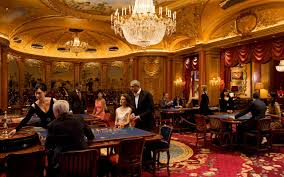
Monte Carlo is a well-known example of this development. The Casino de Monte-Carlo opened in 1863 and became part of a broader tourism identity built around architecture, hospitality, and international visitors.
This model showed that a gaming venue could help attract travelers while also benefiting from the hotels, restaurants, and transport connections serving the destination. The relationship worked in both directions: casinos contributed to a location’s appeal, while the surrounding tourism infrastructure made visits more practical.
Transportation Made Destinations More Accessible
Transportation improvements played an important role in the growth of casino tourism. Railways, expanded road networks, commercial aviation, and later international flight connections made more destinations accessible to travelers.
When a location became easier to reach, hotels and entertainment businesses had greater opportunities to attract visitors from outside the immediate region. Casino destinations could promote themselves to domestic and international audiences rather than relying entirely on nearby customers.
The development of Las Vegas illustrates the importance of accessibility combined with investment and marketing. As air connections and tourism infrastructure expanded, the city became increasingly practical for visitors arriving from other parts of the United States and abroad.
Transport alone does not create a successful tourism destination, however. Travelers also need suitable accommodation, clear visitor information, reliable services, and attractions that justify the journey.
Las Vegas and the Entertainment Destination Model
Las Vegas helped establish the idea that a casino destination could offer a complete holiday experience. Its development included hotels, restaurants, stage shows, major events, conventions, and themed resort properties.
This approach changed how the destination was marketed. Instead of promoting gaming alone, businesses could emphasize live entertainment, dining, accommodation, shopping, and large events.
The model attracted different categories of visitors. Some arrived for conventions or performances, while others planned leisure trips around the city’s resort facilities. Visitors could also explore attractions outside the main resort areas.
Las Vegas demonstrated how gaming could be integrated into a diverse tourism economy. It also highlighted the importance of coordination between accommodation, transport, events, and visitor services.
Macau and the Growth of Asian Casino Tourism
Macau developed into a major international casino destination through a combination of historical gaming activity, market reforms, investment, and growing regional travel.
The expansion of resort properties brought hotels, restaurants, shopping areas, and entertainment facilities into a single visitor environment. These developments helped connect casino tourism with broader leisure and business travel.
Macau’s position within the Asian travel market has been important to its development. Visitor flows, transport connections, regulatory changes, and economic conditions have all influenced tourism activity.
The destination also demonstrates why casino tourism should not be evaluated solely through gaming revenue. Accommodation, retail, food services, transport, employment, and other activities contribute to the wider visitor economy.
At the same time, destinations must consider the risks of depending too heavily on one industry. Economic diversification and effective regulation can help communities respond to changing demand.
Integrated Resorts Expanded the Visitor Audience
The growth of integrated resorts helped casinos appeal to a wider range of travelers. These developments combine gaming with other services, such as hotels, restaurants, shopping, entertainment venues, and conference facilities.
For tourism planners, this model can create opportunities to attract visitors with different purposes. A business traveler might attend a convention, while another guest visits for a concert or holiday.
Singapore’s integrated resorts illustrate this approach within a tightly regulated market. Their role sits within a broader tourism strategy, alongside the city’s other attractions and services.
However, large resort developments require substantial investment and careful planning. They can increase demand for transport, utilities, workers, and public infrastructure. The benefits depend partly on how local businesses participate and whether growth is managed sustainably.
The Role of Destination Marketing
Destination marketing helps connect casino resorts with the wider tourism industry. Advertising campaigns, travel websites, tourism boards, event listings, and international partnerships can introduce destinations to new audiences.
Marketing may highlight a property’s facilities, but successful tourism promotion also depends on the surrounding location. Travelers often consider restaurants, cultural sites, transport, shopping, climate, and seasonal events before deciding where to go.
A destination with several complementary attractions may appeal to a broader audience than one relying on a single type of activity.
Accurate information is essential. Travelers should be able to understand the facilities available, local laws, entry requirements, prices, and relevant restrictions before making arrangements. Marketing should not obscure the financial risks associated with gambling or imply that casino games provide reliable income.
Employment and the Wider Local Economy
Casino tourism can support employment across several sectors. Direct roles may include hotel staff, restaurant workers, gaming employees, performers, maintenance teams, security personnel, and managers.
Indirect opportunities may arise for food suppliers, laundry services, transport operators, event companies, construction firms, and other local businesses.
The actual economic effect varies by location. It depends on local hiring, wages, purchasing practices, taxation, ownership structures, and the extent to which visitor spending reaches businesses in the surrounding community. Go here!
Tourism growth can also create pressures. Higher demand for housing, transport, water, energy, and public services may affect residents. Seasonal employment and economic dependence on a narrow set of industries can create additional vulnerabilities.
Good planning should therefore consider both the opportunities and the costs of casino tourism.
Regulation and Responsible Tourism
Casino tourism operates within legal frameworks that differ between countries and regions. These frameworks may define licensing, age limits, taxation, permitted games, advertising, and customer-protection requirements.
Travelers should understand local rules rather than assume that regulations in their home country apply abroad. A destination’s reputation as a casino hub does not mean every form of gambling is legal or appropriate for every visitor.
Responsible tourism also involves protecting vulnerable customers and providing clear information about gambling risks. Spending limits, breaks, and the decision not to gamble are all valid choices. Visitors should never rely on gambling to finance a holiday or recover travel expenses.
Destinations benefit when the visitor experience includes a broad range of activities and does not depend on pressuring guests to participate in gaming.
How Digital Tools Changed Casino Travel
Digital technology has made it easier to research and organize casino-related trips. Travelers can compare hotels, review transport options, check event schedules, and book restaurants before leaving home.
Online platforms also help destinations communicate changes in opening hours, entry policies, and visitor services. Mobile maps and digital tickets can simplify travel arrangements.
However, digital information should be checked carefully. Official tourism websites and venue sources are often useful for current policies, while independent travel information can provide additional context about neighborhoods and attractions.
Online gambling laws should be checked separately from land-based casino regulations. The availability of a digital service does not establish that it is lawful in every location.
Conclusion
Casinos became part of the global tourism industry through the development of resort destinations, improved transportation, international marketing, and the expansion of integrated resorts. Locations such as Monte Carlo, Las Vegas, Macau, and Singapore illustrate different ways gaming venues became connected to hospitality and entertainment.
Their wider influence extends into employment, transport, events, dining, and local business activity. Yet casino tourism also creates regulatory and community responsibilities. Destinations are better positioned for long-term success when they diversify their attractions, protect visitors, plan infrastructure carefully, and address gambling-related harm alongside economic goals.
Frequently Asked Questions
1. When did casinos become part of tourism?
The relationship developed over several centuries, particularly as gaming venues became associated with resort towns and later with large hotel and entertainment developments.
2. Why is Las Vegas important to casino tourism?
Las Vegas helped popularize the large casino-resort model, combining gaming with hotels, restaurants, performances, conventions, and other visitor attractions.
3. How do casinos contribute to local tourism economies?
They can generate employment and business activity in hospitality, food services, transport, events, construction, and retail, although the effects vary by destination.
4. Do casino destinations attract visitors who do not gamble?
Yes. Many visitors come for accommodation, restaurants, shopping, conventions, cultural attractions, and live entertainment.
5. What should travelers know before visiting an international casino destination?
They should check local laws, age and entry requirements, travel arrangements, costs, and responsible-gambling information. They should also plan activities that do not depend on gambling.


One thought on “How Casinos Became Part of the Global Tourism Industry”