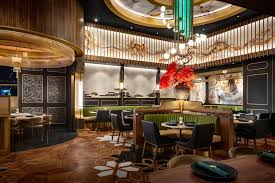
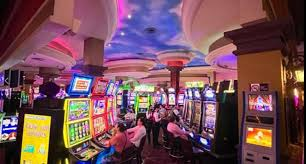
Casinos have changed considerably from the small gaming rooms and exclusive social venues of earlier centuries. Many modern properties are large developments combining hotels, restaurants, shopping, live performances, meeting spaces, and recreational facilities. This transformation reflects changing travel habits, business strategies, technology, and visitor expectations.
The evolution did not happen at the same pace everywhere. Some destinations retained historic buildings and traditional gaming environments, while others invested in large-scale developments designed to attract international visitors. Despite these differences, the industry increasingly recognized that a destination could offer more than gaming alone.
Understanding this shift explains why modern casino resorts have become part of the wider hospitality and tourism sector.
Traditional Gaming Venues and Their Social Role
Early organized gaming establishments often operated on a smaller scale than today’s major resorts. Depending on the location and period, they could be private clubs, dedicated gaming rooms, or venues connected to fashionable social gatherings.
Their appeal often depended on atmosphere and exclusivity. Visitors might attend to play cards, meet acquaintances, or participate in a social event. Facilities were generally more limited than those found in modern integrated resorts.
Rules and public attitudes varied considerably. Some venues operated within recognized legal frameworks, while others faced restrictions or periodic closures. This meant that the development of organized gaming was closely linked to local political and social conditions.
Nevertheless, these establishments helped establish the concept of a dedicated gaming environment with defined games, staff responsibilities, and customer services.
The Connection Between Casinos and Resort Tourism
The next important stage involved the relationship between casinos and holiday destinations. During the eighteenth and nineteenth centuries, some European resorts attracted visitors seeking relaxation, social activities, and fashionable surroundings.
Gaming venues became part of this broader leisure environment. Hotels, gardens, restaurants, concert spaces, and cultural attractions helped turn a visit into a more complete travel experience.
Monaco provides a notable example. The opening of the Casino de Monte-Carlo in 1863 contributed to the development of Monte Carlo’s international reputation. Its identity became associated with architecture, formal entertainment, and high-end tourism rather than gaming alone.
This approach showed how a casino could become part of a destination’s image. Travelers could be drawn by the town’s atmosphere and attractions even when gambling was not their main interest.
Las Vegas and the Large Casino-Hotel Model
Las Vegas helped popularize a different approach during the twentieth century. Following Nevada’s legalization of wide-ranging casino gambling in 1931, the city gradually developed a substantial gaming and hospitality industry.
As tourism expanded, casino businesses increasingly combined gaming floors with hotel accommodation, restaurants, entertainment, and other services. Large properties could offer visitors many activities without requiring them to travel between separate businesses.
This arrangement created advantages for both visitors and operators. Travelers could organize accommodation, meals, performances, and gaming within one location. Businesses could coordinate services, promote longer stays, and appeal to several visitor groups.
The model also introduced challenges. Large properties require extensive staffing, maintenance, security, transportation planning, and energy use. Their success depends on coordinating these operations while maintaining service quality.
Las Vegas became an influential example of the casino resort as a complete entertainment destination.
The Rise of Integrated Resorts
Integrated resorts expanded the casino-hotel concept by incorporating an even wider range of facilities. Depending on the destination, a resort may include retail centers, convention halls, theatres, exhibition spaces, wellness facilities, and major attractions.
Macau demonstrates the scale of this model. Large developments combine gaming with accommodation, dining, shopping, and entertainment designed for international visitors. Singapore also uses integrated resorts as part of its tourism landscape, operating within a tightly regulated framework.
These properties serve audiences with different interests. A visitor may arrive for a business conference, a concert, a restaurant, or a holiday and use only some of the available facilities.
This diversification allows resorts to compete through hospitality and experiences rather than relying exclusively on gaming activity. It also makes the visitor economy more complex, involving event organizers, retailers, restaurants, transport providers, and local suppliers. Visit here!
Technology and the Modern Resort Experience
Technology has changed how casino resorts manage operations and communicate with customers. Online booking systems allow travelers to compare room options, reserve restaurants, and check entertainment schedules before arrival.
Inside properties, digital systems can support hotel administration, security monitoring, payment processing, maintenance, and customer service. Mobile applications may provide maps, event information, or reservation details.
Technology can improve convenience, but its effectiveness depends on responsible data management and reliable systems. Resorts must protect customer information and follow applicable privacy, payment, and security requirements.
Digital services have also made it easier for visitors to plan trips around particular events. A traveler attending a convention or performance can arrange accommodation and other activities in advance, making the property part of a broader travel itinerary.
Architecture and Themed Environments
Modern resorts frequently use architecture and interior design to create distinctive identities. Some draw on local history, regional landscapes, or cultural traditions. Others use contemporary design, elaborate public spaces, gardens, and carefully planned lighting.
The purpose is not simply to decorate the building. The layout influences how visitors move between facilities, find services, and experience shared spaces.
Historic casinos may emphasize original architectural features and established traditions, while newer resorts may prioritize large public areas and integrated facilities. Neither approach is universally better. The most suitable design depends on the destination, audience, regulations, and available space.
Cultural sensitivity is important when resorts use local themes. Accurate interpretation and cooperation with local communities can produce a more meaningful visitor experience than relying on superficial decoration.
Why Resorts Offer More Than Gaming
Diversification is one of the most important reasons casinos developed into broader resorts. Visitors have different interests, and not everyone wants to gamble.
Restaurants, performances, retail areas, exhibitions, conferences, and recreational facilities create additional reasons to visit. They can also help a destination appeal to couples, business travelers, entertainment fans, and tourists interested in local attractions.
However, diversification does not automatically guarantee success. Operators must understand demand, control costs, maintain service standards, and ensure that the development fits its location.
Large projects can also affect nearby communities through traffic, land use, employment patterns, and demand for public services. Responsible planning should consider these effects from the beginning.
The Importance of Responsible Operations
The modern resort model brings responsibilities beyond ordinary hospitality management. Casinos must follow applicable gambling laws, protect customers, and provide clear information about rules and risks.
Depending on local requirements, responsible operations may include age verification, staff training, self-exclusion arrangements, and information about support services. Hotels and entertainment facilities must also maintain appropriate safety, accessibility, and privacy standards.
The wider destination benefits when visitors can enjoy restaurants, shows, and other activities without feeling pressured to gamble. A balanced resort experience should allow customers to make informed choices about how they spend their time and money.
Conclusion
Casinos evolved from traditional gaming venues into modern resorts through the expansion of tourism, the growth of casino hotels, advances in technology, and changing visitor expectations. Historic destinations demonstrated the connection between gaming and social life, while major markets such as Las Vegas, Macau, and Singapore developed different approaches to combining gaming with hospitality and entertainment.
Modern resorts are complex businesses that depend on far more than their gaming facilities. Accommodation, dining, events, architecture, service quality, regulation, and community relationships all contribute to their identity. Their long-term success depends on providing a coherent visitor experience while managing economic, social, and environmental responsibilities.
Frequently Asked Questions
1. Why did casinos begin adding hotels and restaurants?
Combining gaming with hospitality gave visitors more services in one location and helped destinations appeal to people seeking a broader leisure experience.
2. What is the difference between a traditional casino and a modern resort?
A traditional casino may focus mainly on gaming, while a modern resort often combines gaming with accommodation, dining, shopping, entertainment, and event facilities.
3. Which destinations are known for integrated resorts?
Las Vegas, Macau, and Singapore are prominent examples, although their regulatory systems, histories, and resort models differ.
4. Does everyone visiting a casino resort gamble?
No. Many visitors use the accommodation, restaurants, performances, retail facilities, or conference spaces without participating in gambling.
5. What challenges do modern casino resorts face?
They must manage operating costs, competition, customer service, technology, legal compliance, environmental demands, and the potential social effects of gambling.